
What Does the 10th Digit in a VIN Number Represent?
Every car carries a long identification code made of letters and numerals, and each position in that code has a defined job. If you have copied the VIN number from a windscreen and wondered what the 10th digit is meant to represent, the short answer is the model year. This guide shows you where to find that character, how to count to it reliably and what it tells you. It also explains why a second character can change its meaning, and what to do with the year once you have it so a wrong reading does not cost you money.
Quick answer: The 10th character of a VIN represents the vehicle's model year, written as a letter or a numeral. On cars and light passenger vehicles, you also read position 7 to tell which repeating cycle that year code belongs to.
What the 10th digit represents
Position 10 carries the vehicle's model year. The 10th digit from the left, which is also the eighth digit from the right, is the model year code [2]. You can reach it from whichever end of the code is easier to read on your copy.
That position also opens the second half of the code, which the standards call the vehicle identifier section or VIS [1]. The characters before it describe who built the vehicle and its general attributes. The VIS then narrows things down to the individual vehicle, and the first thing it records is the year. For a walk through every other position, see our guide on how to decode a car VIN number.
The layout is not left to each manufacturer's taste. In the United States the format is set out in 49 CFR Part 565 [1], and the international framework is ISO 3779 [1]. Both fix where the model year sits, so the position-10 rule works across brands rather than for only one carmaker. That is why you can find the year code of an unfamiliar car with the same method you use on your own.
One point to hold on to from the start: the code records the model year. That is the year the manufacturer assigns to the vehicle for sales and regulatory purposes. It is not the day the car left the factory, and it is not the date it was first registered. The difference matters when you buy, insure or order parts, and a later section covers it in detail.
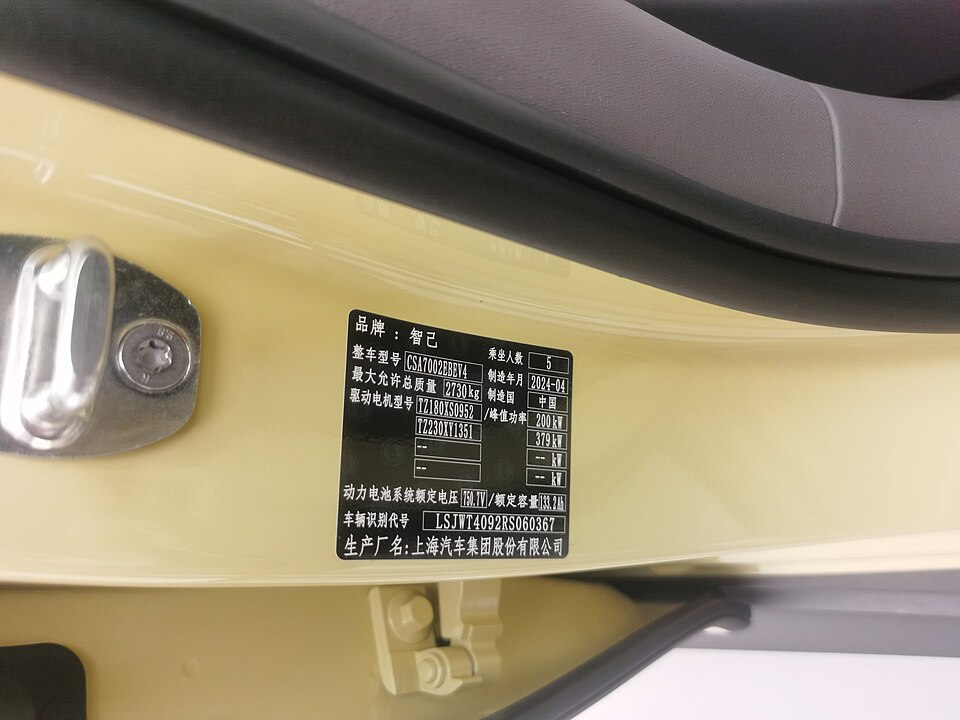
Where to find the identification code on the car
Before you can read position 10, you need a clean, complete copy of the code. The plate is normally in the lower corner of the windscreen on the driver's side [1], so that is the first place to look.
Steps that keep your copy accurate:
- Write the code in short groups rather than as one long string, so you can check each group back against the plate.
- Read your copy aloud a second time while looking at the plate.
- Take a clear photo of the plate so you can zoom in later without going back to the car.
- Keep that photo with your written notes, so anyone helping you later works from the same image you did.
Tip: Hold the camera square to the glass rather than at a steep angle, and shade the plate from direct sun. Reflections and angled shots make characters blur together, and a single misread character can send you to the wrong year.
If the windscreen plate is missing, damaged, covered or looks as though it has been altered, stop decoding. Ask a dealer, a qualified vehicle inspector or the registration authority to verify the vehicle. A doubtful plate is a job for an expert, not for guesswork.
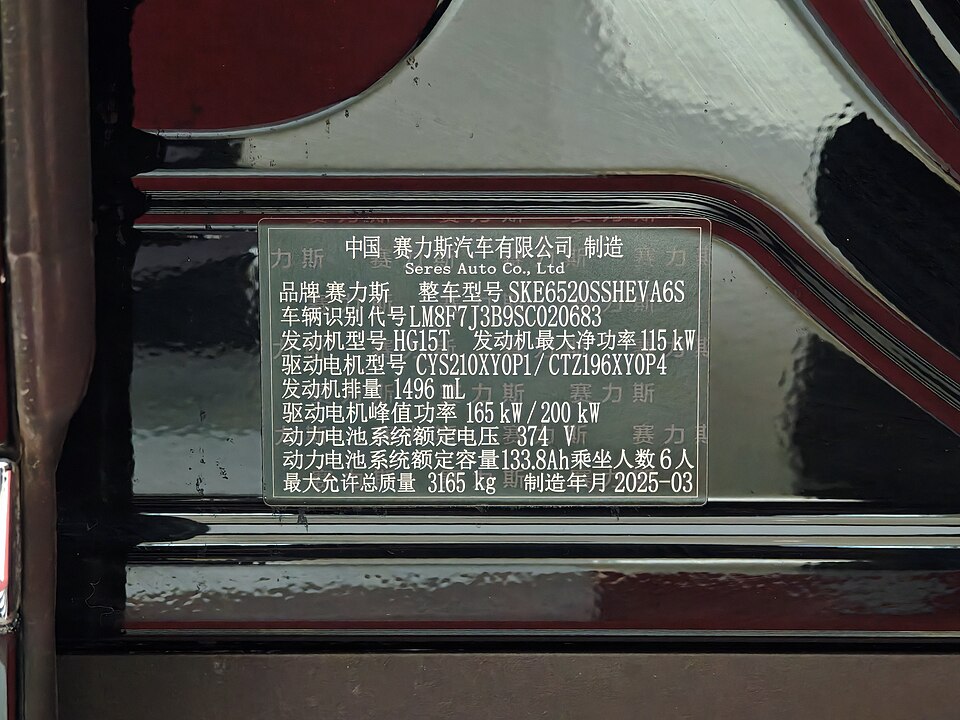
Counting to position 10 without slipping
Errors usually happen during counting, not decoding. A long run of mixed letters and numerals is easy to miscount by one, and an off-by-one slip leaves you reading the character next to the year code. The result looks like a confident answer, which is what makes it costly.
A method that keeps the count steady:
- Write the code out on paper in one line, leaving a little space between characters.
- Number each character underneath, starting at 1 on the left.
- Circle the character above the 10. If the right-hand end of your copy is easier to work from, the same character is the eighth one in from the right [2].
- Circle the character above the 7 as well, because on cars and light passenger vehicles it changes how you read the year.
Numbering on paper works better than counting with a finger along the plate. Glass, glare and an awkward viewing angle all make it easy to skip or repeat a character, while a numbered copy on a table stays put and can be looked over by a second person.
If something about your copy feels wrong, such as a character you are unsure of or an end of the code that was cropped out of your photo, go back to the plate or take a better photo before going further. A count is only as good as the copy it is made on.
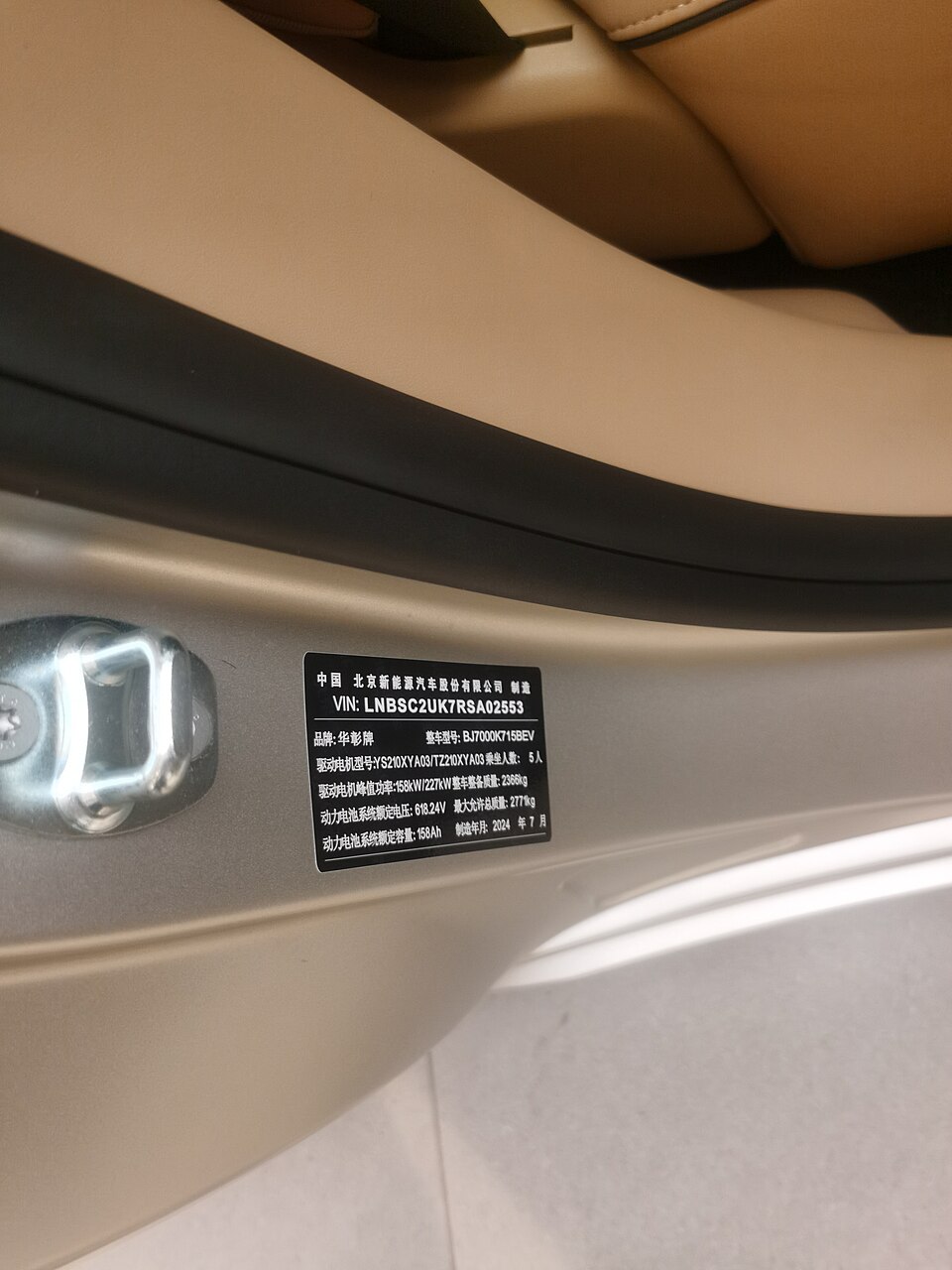
Reading the year code: letters and numerals
The year character can be a letter or a numeral, and the sequence switches from one to the other partway through. Two neighbouring years in the published sequence show the switch: Y = 2000 [2], and the next model year is marked with a numeral, 1 = 2001 [2]. So a numeral in position 10 is just as normal as a letter, and neither on its own suggests a mistake in your copy.
The codes are reused. Once the sequence has run through its letters and numerals, it starts again from the beginning, so the same character can stand for two model years a full cycle apart. On an obviously old car the right reading may seem clear from its condition alone, but appearance is a poor guide with a well-kept older car or one built near the point where the cycle restarts.
This guide does not reproduce a full character-by-character list. If your car's year matters for a purchase, an insurance quote or a parts order, ask a dealer for that make, the manufacturer or the registration authority to confirm it. Whoever you ask, give them the full code rather than the single character, because the answer also depends on position 7, as the next section shows.
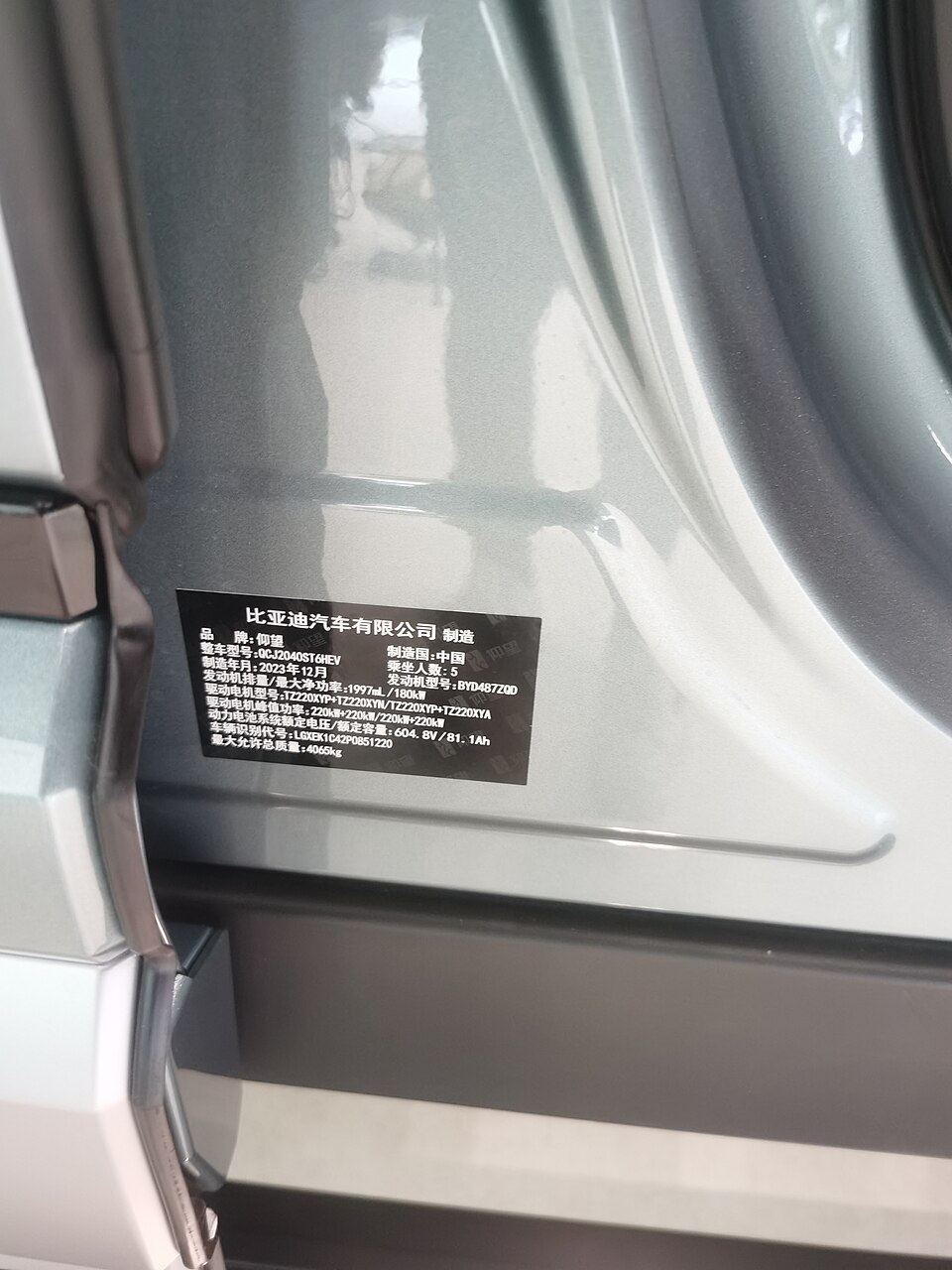
Why position 7 decides which cycle applies
Because the year codes repeat, one character on its own can point to two different years. For passenger cars and multipurpose passenger vehicles with a GVWR of 10,000 or less, the way to identify the exact year is to read position 7 together with position 10 [1]. GVWR stands for gross vehicle weight rating, the maximum loaded weight the manufacturer rates the vehicle for.
The rule is simple once you see it. When the seventh character is a numeral, the year code in position 10 points to a model year in the range 1980–2009 [1]. When the seventh character is a letter, the year code points to the later cycle, which begins with the 2010 model year [1].
| Character in position 7 | Cycle to use for position 10 | Model years covered |
|---|---|---|
| Numeral | Earlier cycle | 1980–2009 |
| Letter | Later cycle | Beginning with 2010 |
The order of work matters. Settle the cycle from position 7 first, and only then think about which year within that cycle the position 10 character stands for. Doing it the other way round invites you to pick whichever year feels right for the car in front of you.
The description above covers passenger cars and multipurpose passenger vehicles in that weight class. If you are dealing with a heavier truck, a bus or another vehicle outside it and the year is in doubt, ask the manufacturer, a dealer for that make or the registration authority.
A worked example from windscreen to model-year window
Here is the process on a typical used passenger car, from plate to a model-year window.
- Copy the full code from the windscreen plate and take a photo as a backup.
- Number the characters from the left and circle position 10, which holds the model year [2].
- Circle position 7 as well.
- Suppose the circled year character is Y and position 7 is a numeral. On a passenger car, that places the year code in the 1980–2009 range [1].
- Now suppose the same car had a letter in position 7 instead. The year code would then belong to the later cycle that begins with 2010 [1].
The position 10 character is identical in both versions, yet the two answers sit decades apart. That is why you write down positions 7 and 10 together before you work anything out. Reading one without the other gives you only half the information.
The remaining step is to pin down which year within the window the character stands for. For a figure you can rely on, use the manufacturer's information, a dealer for that make or the registration document, and compare it with the window your reading points to. If they agree, you have a year you can quote with confidence. If they disagree, find out why before you rely on either.
Model year versus build date and registration date
Once you have a decoded year, be careful how you use it. Manufacturers often begin selling a model year before the calendar year with the same name starts. A car can also sit unsold for months before its first registration. The model year from the code, the build date printed elsewhere on the vehicle and the registration date on the paperwork can therefore all differ without anything being wrong.
For buying, insuring and maintaining a car, the model year is usually the one that counts, because manufacturers group specification changes by model year. Ordering a part by registration year instead of model year is a common route to a part that does not fit.
Warning: Do not let a seller's description override what the code shows. If an advert lists a car as one model year and position 10, read together with position 7, says another, find out why before you pay. A one-year difference can change what the car is worth, the equipment it left the factory with and which parts fit it. Once the year is settled, our guide on how to find a vehicle's market value explains how to price the car against comparable examples.
A mismatch is not always a sign of dishonesty. Sellers often copy the registration year into a listing out of habit. The explanation should still be clear and checkable, and if it is not, treat the listing with caution.
Putting the decoded year to use
A model year on its own rarely answers the question that sent you to the plate. Most of the research that follows, from working out the version of the car to pricing it, needs the make and model alongside the year. Write all three down together before you start, so every later step works from the same description of the car.
Where each piece of research leads:
- Trim and equipment: our guide on what trim level my car is by VIN explains how to work out which version you have.
- Badges and option codes: how to decode car trim level codes covers the codes manufacturers use to mark trims.
- Value: the year is one input to price, alongside trim, mileage, condition and history, as the market value guide linked above sets out.
- Safety: how safe is my car explains what to look at once you know exactly which car you are dealing with.
Keep the characters you read the year from, positions 7 and 10, in your notes next to the decoded year. If a seller, insurer or parts supplier quotes a different year later, you can show exactly where your figure came from, and the conversation starts from facts rather than memory.
If you do not yet know the make or model, for example because you are working from a photo of a car you spotted rather than a car with paperwork, that gap needs filling before trim or value research makes sense. The final section covers one way to fill it.
Common mistakes when reading the year digit
These are the slips that lead people to the wrong year, roughly in the order they happen.
- Copying the code from an advert or a forwarded message instead of from the car, so any typo in the listing becomes your typo.
- Working from a photo where a character at either end is cut off, which throws off any count made from that side.
- Copying the code as one unbroken line and losing your place partway through the count.
- Reading position 10 on its own and skipping position 7 on a car or light passenger vehicle, so the year lands in the wrong cycle.
- Judging which cycle applies from how new or worn the car looks rather than from the character in position 7.
- Treating the model year as the build date or the registration date.
- Guessing the year for an unfamiliar character from neighbouring codes instead of asking a dealer or the registration authority when the year matters.
- Carrying on with a plate that looks damaged or altered instead of handing the question to an expert.
Each of these takes a minute to fix while you are standing at the car. They cost far more to fix after a sale, when the paperwork, the insurance policy and the price already reflect the wrong year.
Adding make and model from a photo
Reading position 10 gives you the model year from the code, but the trim, value and safety research in the earlier sections also needs the make and model. If those are what you are missing, Car Identifier can fill the gap. Take a photo of a car, or choose an existing photo from your library, and the app analyses visual features such as body style and grille design to return the car's make, model, year and specifications.
Keep the year you read from the plate as your reference for the model year, since it comes from the code itself. You can save cars you are weighing up to a personal garage to compare them later, and share a result with a friend who knows the model well.
Common questions
- Is the 10th character always the model year?
- On vehicles built to the standard identification format, position 10 holds the model year code. Very old vehicles and some imports may use a different format, and in those cases a dealer, the manufacturer or the registration authority is the right place to confirm the year.
- Why can the same year character appear on cars built decades apart?
- The year codes run through a fixed sequence of letters and numerals and then start again, so one character can match two model years a full cycle apart. On cars and light passenger vehicles, the seventh character tells you which cycle applies, with a numeral pointing to the earlier cycle and a letter pointing to the later one.
- Does the model year tell me exactly when my car was built?
- No, it tells you the model year the manufacturer assigned, which is how specification changes are usually grouped. A car can be built before the calendar year that shares its model year and can be registered months after it was built, so treat these as three separate pieces of information.
- What should I do if I cannot read the plate on the windscreen?
- The plate normally sits in the lower corner of the windscreen on the driver's side, and a clear, close photo lets you zoom in on characters that are hard to make out. If characters are still unclear, or the plate looks damaged or altered, ask a dealer or a qualified vehicle inspector to verify the vehicle rather than guessing at the missing characters.
- Can the year code alone tell me what a car is worth?
- The year is one input, but value also depends on trim, mileage, condition and history. Use the decoded year as your starting point, then work out the trim and equipment before you compare the car with similar ones for sale.